
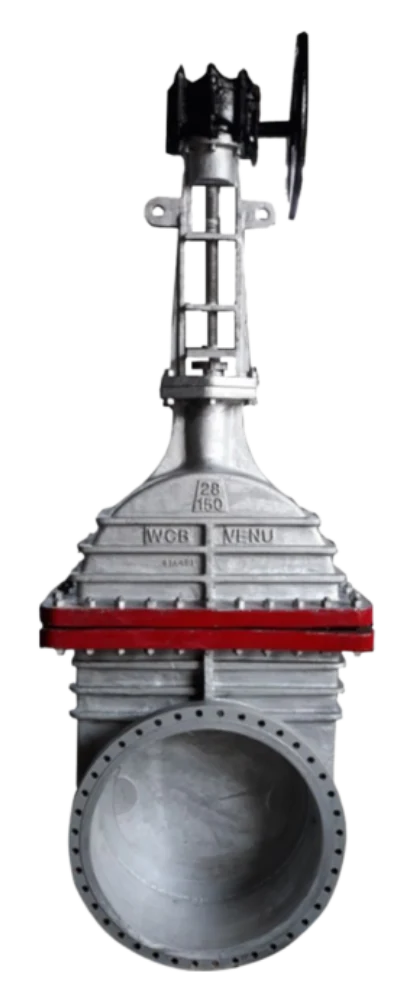
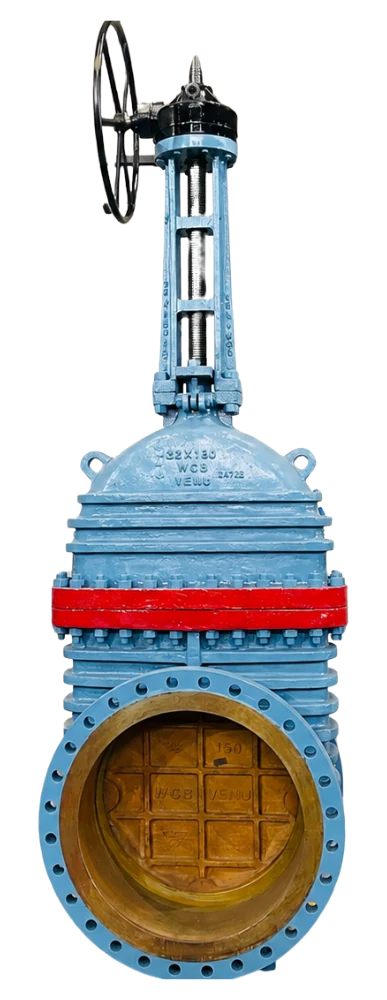
Troubleshooting for Valves
The process flow control industry at large has valves at its epicentre. Valves have a few chronic problems that can easily be solved if proper care is taken over: (1) selection of valves for the specific application; (2) valve installation and storage carried out to international specifications such as MSS-SP 92; (3) testing at the manufacturing stage done properly; and (4) preventive maintenance carried out on schedule.
If these things are done properly, issues like unplanned plant stoppage can easily be avoided and the process plant is utilised far better.
At Venus Engineering Works, with over 60 years of experience meeting our customers' needs, we have identified five common and major problems that can be solved easily if some care is taken.
Passing of Valves / Valve Leakage
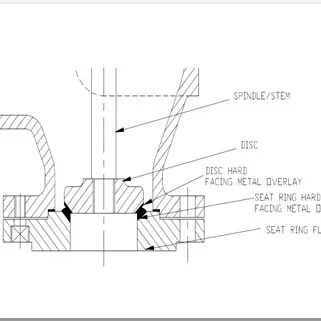
The major reason for passing in metal seated valves is that at the time of manufacturing the valves are not provided with zero leakage (which may not be needed as per standard specifications, especially for large-size metal seated valves).
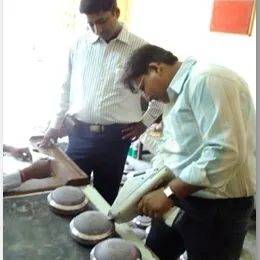
In metal seated valves the coated and machined materials should have the needed chemical and physical properties; then and only then can the properties of (i) edge retention, (ii) work hardening and (iii) superior corrosion and erosion resistance be achieved. At Venus Engineering Works we check every metal-overlaid component for its chemical properties, physical properties and internal defects using non-destructive methods, thus ensuring a long life for our valves.
Allowance for wear travel is another major factor defining valve life. Metal-seated multi-turn valves in particular need enough wear travel so that, even after years of use, the valve still shuts off positively as the disc or wedge sinks.
There is a need to make sure that proper valves are selected for the application. Where there are suspended particles in the line (from the fluid itself, or from a line that was not cleaned and external material such as welding slag entering it), the valve seats tend to be damaged and the valves start passing.

Gearbox Failure in Valves
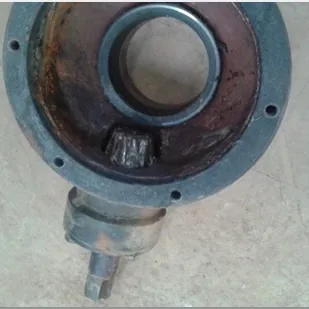
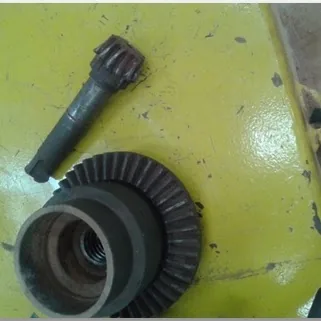
A gearbox is actually a fail-safe mechanism: if over-torque is applied and the gearbox fails, it is possible to change the gears or the gearbox itself and go on operating the valve. But if the gear does not fail, the spindle will bend instead, and it is then very difficult to troubleshoot the valve while the plant is operational — an emergency shutdown would be needed.
In common practice the total load on the handwheel rim should not exceed 30 kg. If the load is higher, either a gearbox is needed or — on a well-designed valve — the internal moving parts have jammed somewhere and need to be cleared, rather than the gearbox being altered.
If over-torque is required to operate the valve, rather than reaching for an F-fork and pipe, try to de-jam the valve with the help of an expert valve operator.
Pneumatic and electric impact wrenches are available, so a controlled level of torque can be applied to operate the valves.
At Venus Engineering Works we now offer helical gearboxes with a system that lets our manual valves be operated by hand or by impact wrench, making them versatile and easy to operate.
Spindle Breakage of Valves
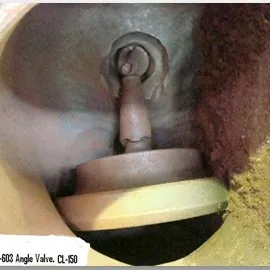
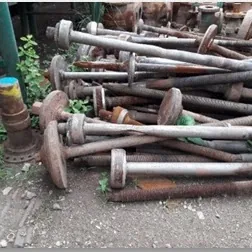
This is a very common problem in instrumentation valves and quarter-turn valves, mostly because of over-torque.
There is a need to check the physical properties (including tensile properties and hardness) and the chemical properties of the bar stock from which the spindles are made, and to confirm they are as per the standard specifications.
There are internal defects that run parallel to the centreline of the bar stock, and ultrasonic testing is needed for such defects, which can be devastating for the spindle.
Enough spindle thickness must be kept for the fluid being controlled. When working with slurries, fibres and high-viscosity fluids, the stem diameter given in the standard specifications may not be enough, so choose a manufacturer with a deep understanding of the fluids to be controlled and strong design capabilities. At Venus Engineering Works we have strong tie-ups with research centres and an in-house R&D centre that carries out such analysis regularly for our customers.
Leakage from the Gland Area
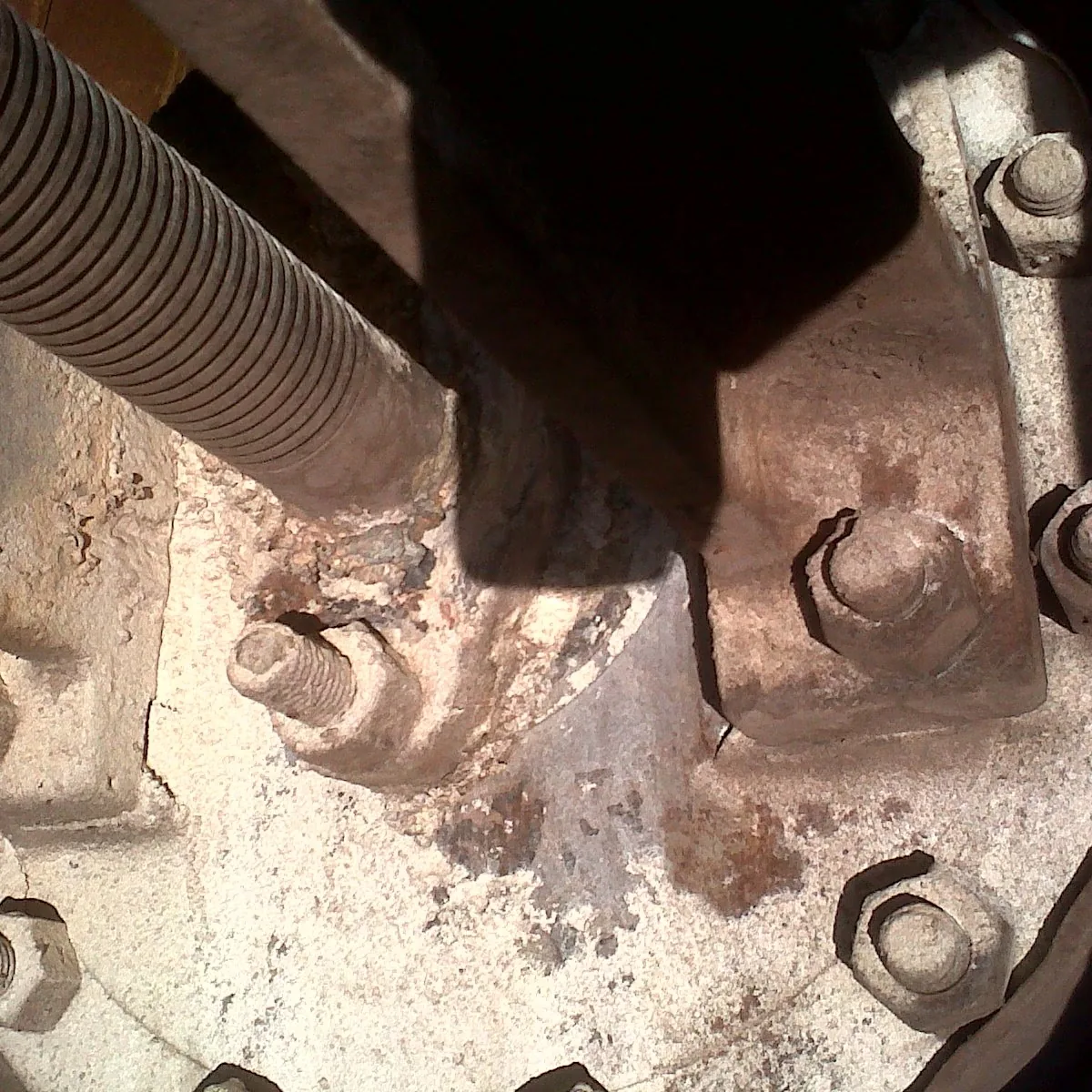
This is another chronic problem across valve categories and plants. In steam applications it causes significant efficiency loss; in slurry lines the valves jam and become inoperable; and with obnoxious gases and dangerous fluids it is a serious life-threatening hazard.
Gland leakage happens because this is a dynamic joint: changes in the internal pressure of the valve (as it opens and closes) and external influences including vibration in the line loosen the gland bolts, and the leakage starts.
The gland area also needs regular lubrication, for which the gland must be loosened; if it is not tightened again afterwards, gland leakage will start.
With our experience of making valves for extreme services — hydrogen gas, toluene, chlorine, bromine and other halogen services — we have found a few best practices that can be used in conventional valves, are cost-effective, and practically eliminate the problem.
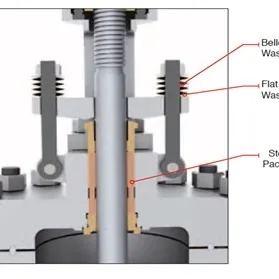
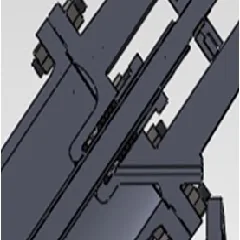
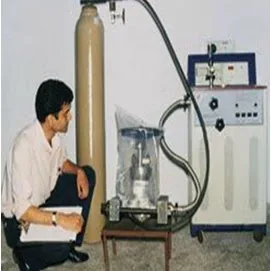
To resolve this issue we provide valves with a live-load stuffing box, which eliminates gland leakage while giving metal seated valves a long life. We have already passed helium leak tests on large-sized gate valves, globe valves and even swing check valves using this technology.
Plant Corrosion
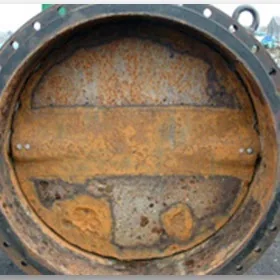
Just as termites eat away wood, corrosion eats away plants and drastically shortens plant life. Like termites, it enters from a seemingly innocent source.
In plants that are near the sea coast or are handling very corrosive fluids, plant corrosion is the major point of concern.
With the advent of paint technologies, there is a lot that can be done to avoid plant corrosion, but the need of the hour is to follow the latest processes and procedures.
Current international valve specifications do not enforce a painting regime that follows paint-inspection protocols and the ASTM D series of specifications. At Venus Engineering Works we have an in-house paint shop with approved procedures and testing facilities to meet the specific requirements of our customers.
For internal corrosion inside valves in pressurised applications, there is a need to go for metallic valves aided by a variety of internal lining, coating or painting.
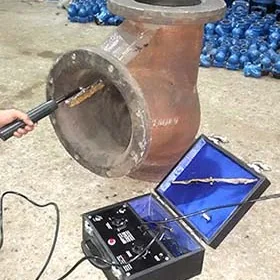
All rubber and PTFE coatings and linings should be checked using a high-voltage spark test, which is done routinely at Venus Engineering Works.
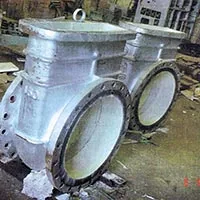
The latest coatings, such as glass flake and nickel coating or lining, are now offered against these specifications.
Are you suffering from any of these issues, or any other problems with valves?
Describe the symptom and the service. Our engineers will diagnose it with you.